Get your business started
Innovate to stimulate growth
Stand out from the crowd by adopting an innovative mindset and investing in promising solutions.
Marketing strategy
Use a smart and effective marketing strategy to boost your business.

Brand management
Turn your brand into a key player by optimising your marketing strategy.

E-commerce
Reap the benefits of a well-managed online presence in order to grow your business.

Product management
From idea to market
Product management is a continuous process that requires constant attention to the ever-changing needs of customers, market trends and competition. It’s a key element in a company’s success in an constantly evolving market.
To make your job easier, you can use the www.goaland.com solution. This PIM adapts to your company. It helps you create high-quality product information.

Simplified product management processes
Product management software simplifies data distribution. The PIM solution simplifies data processing.
This ergonomic, intuitive and modular tool meets your internal needs. It allows you to link one product to another.
Management & co
How do you choose the right roadmap for your business?


Market research
Analyse trends in order to make informed decisions.


Budget and resources
Manage your budget to maximise your return on investment.


Implementation and monitoring
Measure the effectiveness of your actions for optimum results.
Creating a solid online brand: key strategies
Content marketing
Generating leads
Presence on social networks
Develop your brand awareness


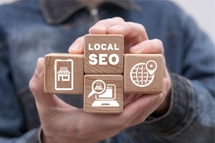
E-commerce & SEO
The importance of SEO for e-commerce websites
Effective SEO strategies ensure that your e-commerce website is well optimised. Thanks to organic SEO, your potential customers will easily be able to find your services or products on the Internet.

On-page SEO techniques
Refine your content strategy for optimal SEO results.

SEO management
Make SEO management part of your marketing strategy.

SEO reporting
Turn SEO data into real action to help your business grow.
Content strategy
Stakeholder engagement in content strategy
Understanding your target audience
The key to reaching your target audience is to have a solid web content strategy.
Publishing interesting content increases your visibility on the Internet. This will help your company achieve its marketing objectives. To achieve this, you need to start by defining your KPIs.
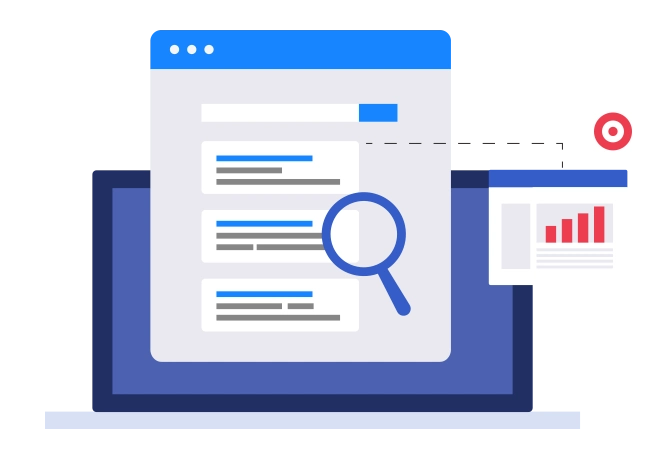
PPC advertising
Google Ads, Bing Ads and more!
Bing Ads, formerly known as Microsoft Advertising, is an advertising service available on Yahoo and Bing.
Microsoft’s advertising service is very successful in certain sectors, including business and finance. As for Google Ads, around 80% of companies use it for their PPC advertising strategy.
The importance of analysing and measuring results
The power of marketing
Diversify your marketing channels for a greater impact
Diversifying your marketing channels optimises your marketing efforts. This process gives you a real competitive edge.

Influencer marketing
Leverage the power of influencers to boost your company’s visibility and credibility online.

Webinars and podcasts
Use your webinars and podcasts to inform, educate and entertain your audience.